
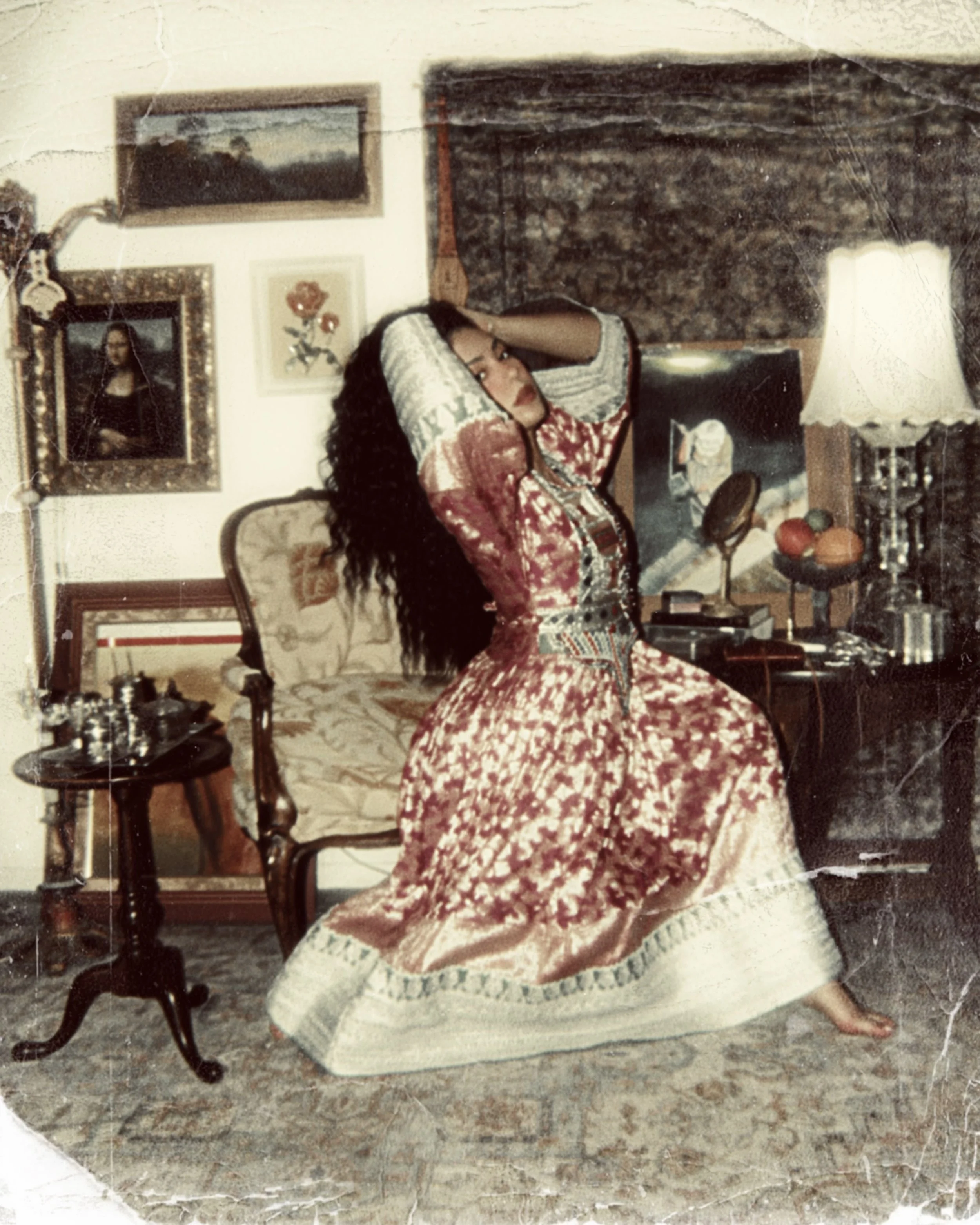
Priceless Inheritance
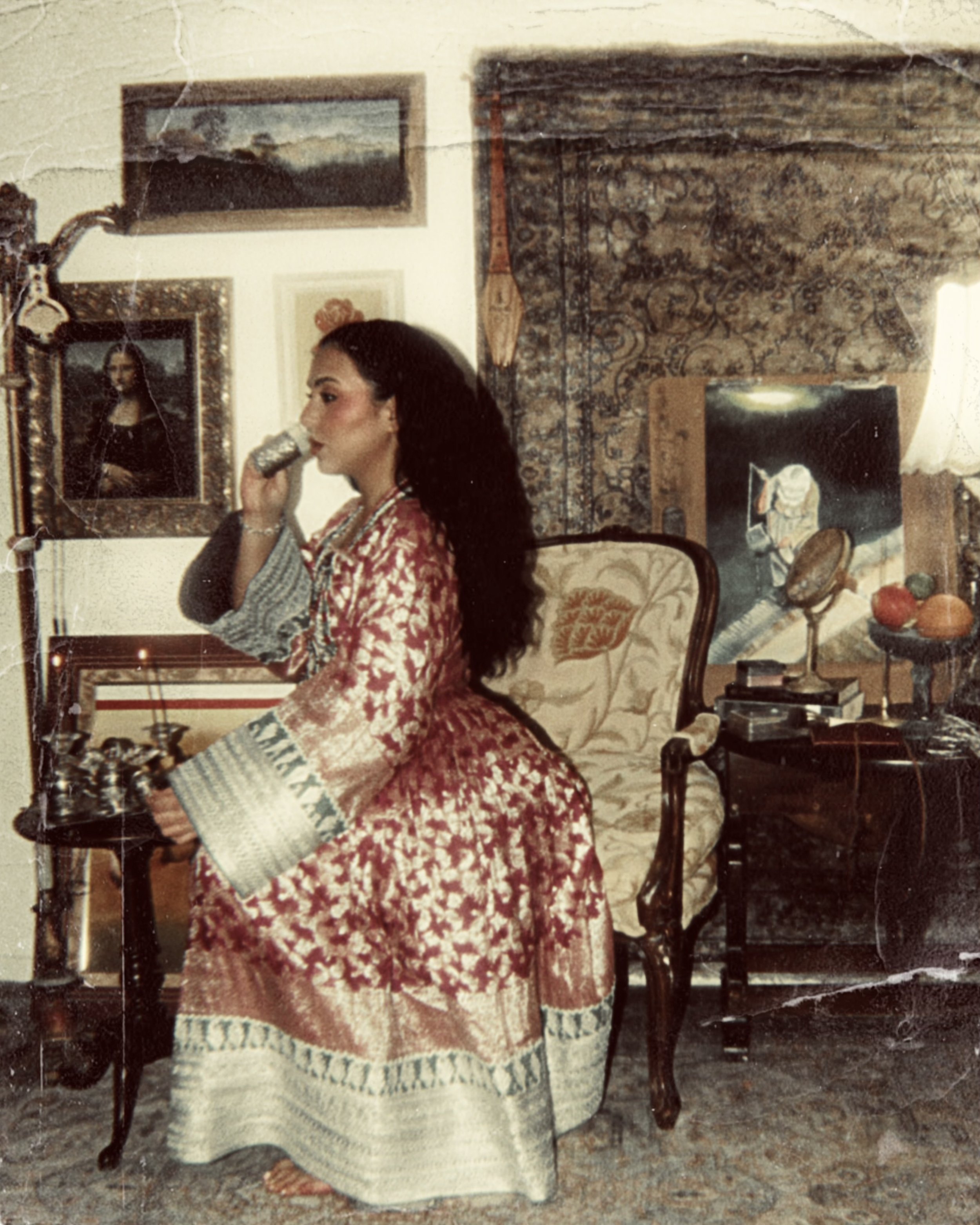
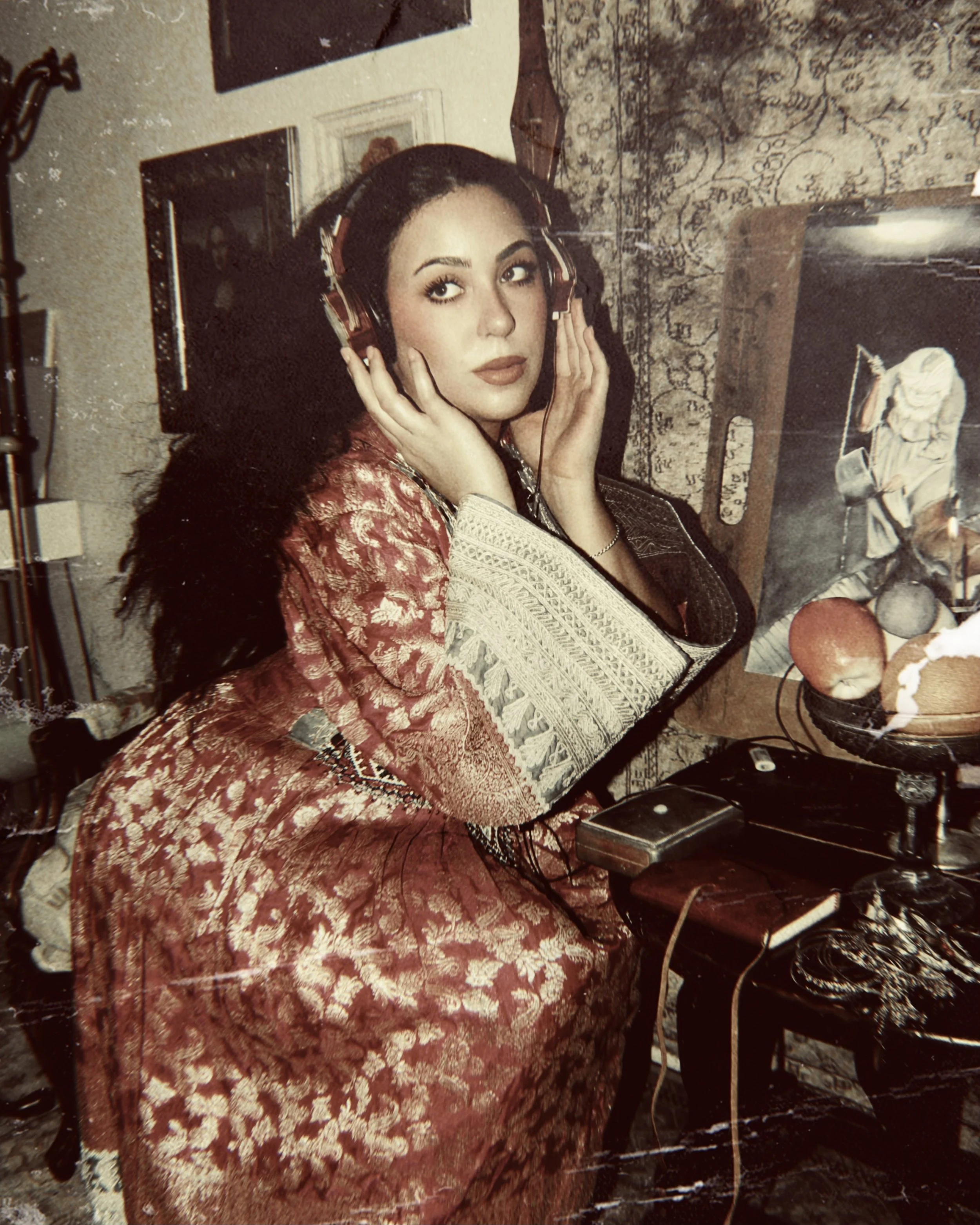
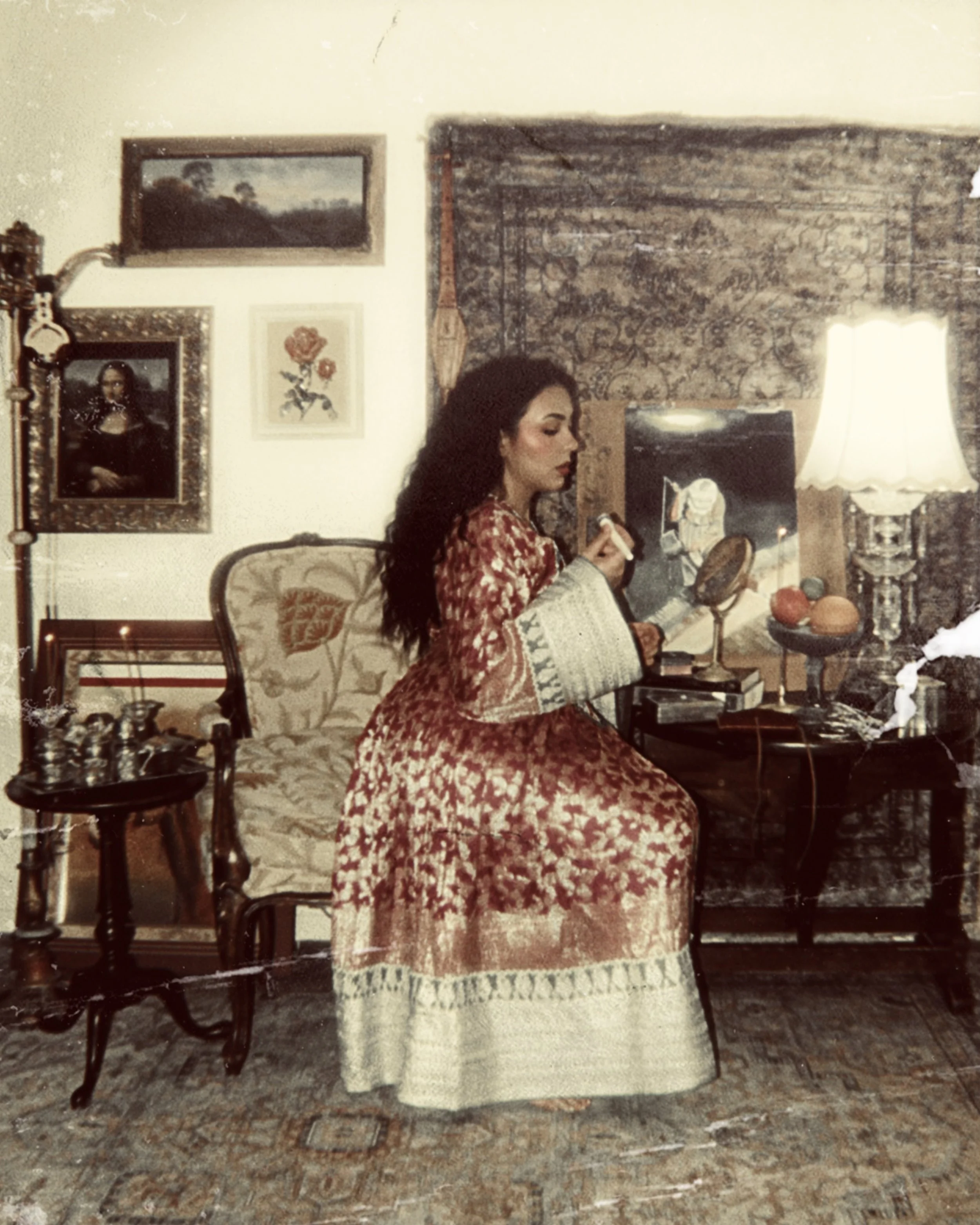
I built the entire set from scratch- starting with nothing but a white couch against a white wall. Everything added into the space was intentional. I approached it like constructing a living archive. Each object was chosen to reflect the feeling of an Afghan home: not just visually, but emotionally. The textiles, décor, and layering were meant to mirror how memory lives in a space. Nothing felt overly styled or placed for aesthetics alone, it was about familiarity, history, and what gets passed down without being spoken.
I thought of the interior as a time capsule. Afghan households carry generations of tradition in the way they’re arranged; through pattern, material, and density. I wanted to capture that quiet accumulation, where every piece holds weight and meaning.
The contrast between the blank, minimal starting point and the final environment was important. It shows how identity is built, how culture fills a space and transforms it completely. This series is about preservation. Not in a static way, but as something lived-in, layered, and continuously carried forward.
This mini-series explores the home as a living archive of memory. My cultures contain a vibrant and "maximalist" world that yet silently exists in the echoes of decades of pain and displacement.
History has given us all identity. Whether you're connected to yours or not, it exists, and it existed. Marked in the timeline of those who came before you, and quietly imbedded in your bloodline.
While the future is coming, preservation becomes gold.
In many cultures, women are the archivists of beauty. We preserve traditions through practice and internal wisdom. Culture doesn't only live in museums. It lives in living rooms, and survives in interiors. Without history, identity becomes temporary and trend-based instead of rooted.
It's a priceless inheritance.